Taste of the Holy City: Where Flavor Meets Faith in Medina
Have you ever tasted a meal that felt like a blessing? In Medina, every bite carries history, devotion, and soul. This isn’t just about food—it’s about flavor woven into sacred landscapes, from dates under palm-shaded courtyards to steaming thyme-seasoned dishes near Al-Masjid an-Nabawi. Here, nourishment is more than physical; it is an act of remembrance, a gesture of generosity, and a thread connecting past and present. For visitors, the city offers not only spiritual elevation but also a culinary journey rooted in centuries of tradition, shaped by faith, climate, and community. This is where taste and reverence walk hand in hand.
The Heartbeat of Medina: A City Beyond the Pilgrimage
Medina, known formally as Al-Madinah Al-Munawwarah, or 'the Enlightened City,' stands as one of the holiest cities in Islam, second only to Mecca. Yet beyond its profound religious significance, it unfolds as a place of quiet beauty, rich heritage, and deep-rooted hospitality. Nestled in the Hejaz region of western Saudi Arabia, Medina is surrounded by volcanic plains and low mountain ranges, its landscape shaped by centuries of pilgrimage, scholarship, and settlement. The city’s climate is typically hot and arid, with long, sun-drenched days and cool, serene nights—ideal conditions for palm groves that have flourished here for generations.
While millions arrive each year as part of the Hajj or Umrah pilgrimage, many discover that Medina offers a different rhythm—one of contemplation, connection, and cultural immersion. Unlike the hurried pace of major global cities, life in Medina moves with a measured grace. The call to prayer echoes through neighborhoods not as a disruption, but as a natural pulse, marking time and inviting reflection. This atmosphere of reverence extends into daily routines, including how people eat, gather, and share food.
The city’s identity is inseparable from its religious legacy. It was here that the Prophet Muhammad (peace be upon him) migrated in 622 CE, marking the beginning of the Islamic calendar. His residence and final resting place, now part of Al-Masjid an-Nabawi, remain the spiritual heart of the city. This sacred presence influences everything from urban planning to social customs. Streets are designed to accommodate worshippers, and public spaces often include shaded areas for rest and prayer. Even the scent of oud and incense that drifts through the air near the mosque carries a sense of continuity with the past.
Yet Medina is not frozen in time. In recent decades, it has welcomed modern infrastructure while preserving its spiritual essence. Expansive walkways, climate-controlled prayer halls, and accessible accommodations reflect a commitment to serving pilgrims with dignity and comfort. At the same time, local markets, family homes, and neighborhood eateries maintain traditions passed down through generations. Food, in particular, serves as a living bridge between the sacred and the everyday, offering visitors a tangible way to connect with the city’s soul.
Flavors with Faith: The Role of Food in Daily Life
In Medina, food is far more than sustenance—it is an expression of faith, a symbol of generosity, and a daily act of gratitude. Meals are often structured around prayer times, with families gathering after Fajr, Dhuhr, and Maghrib to share simple yet nourishing dishes. The Islamic emphasis on moderation, cleanliness, and halal consumption shapes not only what people eat but how they prepare and serve it. Hospitality is considered a sacred duty, and guests are welcomed with open arms and abundant plates, often urged to eat more as a sign of respect and care.
Staple ingredients reflect both the region’s agricultural strengths and Prophetic traditions. Dates, for instance, are eaten at nearly every meal, especially during breakfast and Iftar in Ramadan. They are praised in the Quran and Hadith for their health benefits and spiritual significance. Locals often begin meals with a few dates, following the Sunnah, or tradition, of the Prophet Muhammad (peace be upon him). These sweet, fibrous fruits grow abundantly in Medina’s palm groves and come in several varieties, each with its own texture and flavor profile.
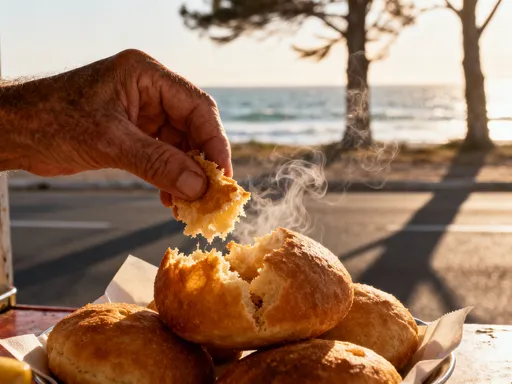
Lamb and chicken are the most common meats, prepared in slow-cooked stews or spiced rice dishes that fill homes with rich, aromatic scents. Herbs like thyme (za'atar), mint, and parsley are used generously, not only for flavor but for their cooling properties in the desert heat. Dairy products such as laban (fermented milk) and fresh yogurt are regular features, aiding digestion and hydration. Bread, typically in the form of soft, round flatbreads, is a constant companion at meals, used to scoop up stews or soaked in olive oil and za'atar for a simple, satisfying snack.
Eating is inherently communal. Large platters are placed in the center of the floor or table, and diners eat with their right hands—a practice rooted in tradition and hygiene. Sharing food strengthens family bonds and fosters a sense of unity among neighbors and visitors alike. During religious holidays like Eid al-Fitr and Eid al-Adha, meals become even more elaborate, with extra courses, sweets, and gifts of food exchanged between households. This culture of generosity ensures that no one eats alone, and no guest leaves hungry.
Around the Prophet’s Mosque: Culinary Stops with a View
Al-Masjid an-Nabawi is not only the spiritual epicenter of Medina but also a hub of daily life, where worship and community intersect. The vast courtyard surrounding the mosque buzzes with quiet activity from dawn until late night. Pilgrims rest under shaded arcades, children play near fountains, and families gather for quiet conversation. Amid this serene atmosphere, food vendors and refreshment stations offer simple yet meaningful nourishment, turning the area into an open-air sanctuary of both devotion and sustenance.
As the sun begins to set, especially during Ramadan, the air fills with the scent of cardamom-infused coffee, known as qahwa, and the sweet aroma of fresh dates. Volunteers distribute cool drinks, dates, and sometimes even full meals to worshippers, embodying the Islamic principle of sadaqah, or charitable giving. These acts of kindness are not limited to religious occasions—they are woven into the daily rhythm of life near the mosque. Whether it’s a man offering cold water to a tired visitor or a family sharing their Iftar meal with strangers, the culture of generosity is ever-present.
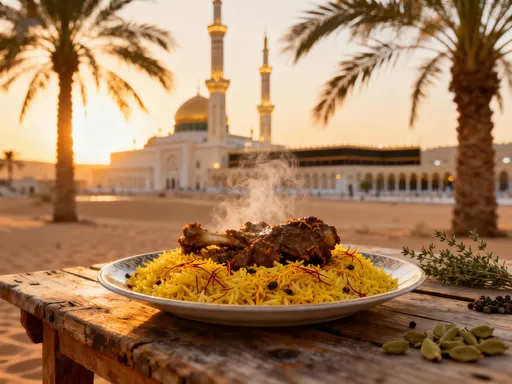
Near the mosque’s outer corridors, small stalls and kiosks serve traditional dishes that have sustained pilgrims for generations. Jareesh, a dish made from crushed wheat slow-cooked with lamb and spices, is a favorite for its hearty texture and comforting warmth. Kabsa, the national dish of Saudi Arabia, features fragrant basmati rice cooked with meat, tomatoes, and a blend of spices like cinnamon, cloves, and black lime. It is often served with a side of daqoos, a tangy tomato and herb sauce that cuts through the richness of the meal.
One of the most beloved treats is the date milkshake, made by blending fresh Medina dates with milk, a touch of honey, and sometimes a hint of rosewater. Thick, creamy, and naturally sweet, it offers quick energy and a taste of local pride. These refreshments are more than convenience—they are part of the pilgrimage experience, offering moments of pause and gratitude between prayers. For many visitors, sipping a date shake while sitting near the mosque’s golden dome is a memory etched in both heart and taste.
Hidden Eateries: Off-the-Beaten-Path Tastes
Beyond the well-trodden paths near Al-Masjid an-Nabawi lie neighborhoods where Medina’s culinary soul truly thrives. In districts like Al-Naseem, Al-Ola, and Al-Baqi’i, family-run restaurants and home kitchens serve dishes that reflect the authenticity of Hejazi cuisine. These are not tourist-oriented establishments but beloved local spots where generations gather for weekday dinners, weekend celebrations, and quiet family meals. Here, food is cooked with care, patience, and a deep respect for tradition.
One such dish is madfoon, a Bedouin specialty where meat—usually lamb or chicken—is sealed in a pouch made of dough and buried in hot sand or cooked in a sealed oven. The slow cooking process locks in moisture and intensifies the flavors, resulting in tender meat infused with smoky, earthy notes. Another favorite is margoog, a stew made with lamb or chicken, vegetables, and layers of thin dough that cook directly in the broth, absorbing the rich flavors. These dishes are often served on large communal platters, encouraging shared dining and conversation.
Breakfast in these neighborhoods is a ritual of warmth and simplicity. Homes and small cafes serve balila—a warm, spiced chickpea dish topped with cumin, olive oil, and fresh parsley—alongside fresh samoon bread, a slightly sweet, oval-shaped loaf baked in wood-fired ovens. It is commonly eaten with a cup of sahlab, a creamy, cinnamon-dusted drink made from orchid root powder, milk, and nuts. The combination is both nourishing and comforting, ideal for starting the day in the cool morning air.
What sets these hidden eateries apart is not just the food, but the atmosphere. Many are unassuming in appearance, with simple signage and modest interiors, yet they overflow with warmth and welcome. The owners often know their regulars by name, and meals are served with personal touches—a extra piece of bread, a small bowl of homemade pickles, or a warm smile. For visitors willing to venture beyond the main tourist zones, these experiences offer a deeper, more intimate connection to Medina’s culture and community.
The Date Capital: Why Medina’s Dates Are World-Famous
No discussion of Medina’s cuisine is complete without celebrating its most iconic product: the date. The city is renowned throughout the Islamic world and beyond for its high-quality dates, particularly the Ajwa variety, which holds both culinary and religious significance. Grown in fertile oases fed by underground aquifers, Medina’s date palms thrive in the region’s hot, dry climate and mineral-rich soil. The harvest season, which typically runs from late summer to early autumn, is a time of celebration, with families and workers gathering the fruit by hand, preserving methods passed down for centuries.
Ajwa dates are dark, almost black, with a soft, velvety texture and a complex flavor that balances sweetness with a subtle earthiness. They are highly prized not only for their taste but for their association with the Prophet Muhammad (peace be upon him), who is reported to have said, 'The Ajwa date is from Paradise.' Many pilgrims seek them out as a blessed food, consuming them for health and spiritual benefit. Scientific studies have also highlighted their antioxidant properties and nutritional value, including high levels of fiber, potassium, and natural sugars that provide sustained energy.
But Ajwa is just one of many varieties grown in and around Medina. Others include Safawi, known for its deep black color and chewy texture, and Sughayyir, which is smaller and slightly tangy. Each type has its own culinary uses—some are eaten fresh, others dried or processed into syrups, powders, or stuffed treats filled with nuts or cream. Dates are also central to traditional desserts like maamoul, buttery shortbread cookies filled with date paste and shaped in ornate molds, often prepared for Eid and other celebrations.
For travelers, visiting a date farm offers a rare opportunity to witness the entire process—from palm to plate. Some farms welcome guests for guided tours, where they can walk among the towering trees, learn about irrigation techniques, and taste dates straight from the branch. These experiences are not only educational but deeply sensory: the rustle of palm fronds in the wind, the warmth of the sun overhead, and the burst of sweetness with each bite. Taking home a box of Medina dates becomes more than a souvenir—it is a tangible connection to the land, its people, and its sacred traditions.
Sacred Landscapes, Sensory Journeys: Dining with a View
In Medina, the act of eating is often enhanced by the beauty of the surroundings. Meals are not confined to restaurants or homes—they unfold in gardens, courtyards, and open-air terraces where the landscape itself becomes part of the experience. One of the most peaceful places to dine is near Quba Mosque, the first mosque built in Islam, located on the outskirts of the city. Its surrounding gardens offer shaded seating areas where families enjoy breakfast or afternoon tea under the canopy of palm and olive trees. The quiet hum of conversation, the scent of herbs in the air, and the sight of worshippers coming and going create a meditative atmosphere.
Another unforgettable setting is at the base of Mount Uhud, a site of great historical and spiritual importance. After visiting the mountain and paying respects at the martyrs’ cemetery, many locals and visitors gather for a simple meal in the nearby picnic areas. Grilled lamb, fresh salads, and flatbreads are shared on checkered cloths spread over the rocky ground, with views of the rugged terrain stretching into the distance. As the sun dips below the horizon, casting golden light over the landscape, the meal takes on a reflective quality—a moment of gratitude for life, faith, and companionship.
Rooftop terraces in older neighborhoods offer a different kind of vista. From these elevated spaces, one can see the gentle skyline of Medina, with the green dome of Al-Masjid an-Nabawi rising above the city. As the call to Maghrib prayer echoes in the distance, families gather to break their fast during Ramadan or enjoy a quiet dinner under the stars. The air is cooler up here, carrying the scent of grilled meat and spiced tea. These moments—simple, unhurried, and deeply rooted in place—remind visitors that dining in Medina is not just about taste, but about presence.
Even the timing of meals adds to their significance. Eating at dawn before the Fajr fast begins, or breaking the fast at sunset with a date and water, follows a rhythm that connects the body to the spiritual calendar. In these moments, food becomes a form of worship, a way to align oneself with divine timing and communal practice. Whether seated on a prayer mat after Isha or sipping tea at midnight, the experience is one of peace, reflection, and belonging.
Traveler’s Guide: Practical Tips for a Meaningful Food Journey
For those planning a visit to Medina, thoughtful preparation can greatly enhance the culinary and spiritual experience. The best time to visit is during the cooler months, from October to March, when temperatures are more comfortable for walking and outdoor dining. Ramadan offers a particularly rich cultural experience, with vibrant night markets and extended Iftar gatherings, but it also requires sensitivity to local customs, especially for non-Muslim visitors who may be fasting or not.
Dress code is important, especially near religious sites. Modest clothing that covers shoulders and knees is expected for both men and women. While Saudi Arabia has relaxed some dress regulations in recent years, respecting the sacred nature of Medina remains essential. Carrying a light scarf or shawl can be helpful for women when entering mosques or conservative neighborhoods.
When it comes to dining, a few etiquette practices ensure a respectful and welcoming experience. Always use the right hand for eating, as the left is traditionally considered unclean. It is polite to accept food when offered, even if only a small portion, as refusal can be seen as a slight. Complimenting the meal and expressing gratitude are highly valued. Phrases like 'Alhamdulillah' (Praise be to God) or 'JazakAllah khair' (May God reward you with good) go a long way in building connection.
Hydration is crucial in Medina’s desert climate. Drink plenty of water throughout the day, especially if visiting during the warmer months. Avoid excessive caffeine and sugary drinks, which can contribute to dehydration. Many locals rely on natural hydrators like laban, fresh coconut water, and herbal infusions such as sage or anise tea. These are widely available and offer both refreshment and digestive benefits.
For non-Muslim visitors, it is important to be mindful of prayer times, as many restaurants may close briefly during Dhuhr or Maghrib. Planning meals around these times ensures access to dining options. While alcohol is strictly prohibited in Saudi Arabia, a wide variety of non-alcoholic beverages—from date smoothies to rosewater sherbets—provide delicious alternatives. Dietary restrictions can usually be accommodated, as many dishes are naturally gluten-free or vegetarian, though it’s wise to confirm ingredients when dining in smaller establishments.
The most important tip, however, is to approach the food journey with an open heart and a spirit of gratitude. Eat slowly, savor each bite, and take time to engage with locals when possible. A simple smile, a kind word, or a shared meal can create lasting memories. In Medina, every dish tells a story—not just of flavor, but of faith, history, and human connection.
Conclusion
Medina is a city where every sense is awakened—not only by the call to prayer or the sight of the green dome, but by the taste of a sun-ripened date, the aroma of spiced rice, and the warmth of shared bread. Its cuisine is not separate from its spirituality; it is an extension of it. Meals are acts of remembrance, gestures of generosity, and moments of stillness in a world that often moves too fast. To eat in Medina is to participate in a tradition that spans centuries, to nourish both body and soul in equal measure.
The harmony between landscape, faith, and flavor creates an experience unlike any other. Whether standing in the courtyard of Al-Masjid an-Nabawi, walking among date palms at dawn, or breaking bread with a local family, visitors discover that food here is more than sustenance—it is a language of love, a bridge between hearts, and a blessing to be received with humility. Medina invites not just pilgrimage, but presence. And in every bite, there is a reminder: that the simplest meals can carry the deepest meaning.