Lost in the Sands, Found in the Culture
Have you ever felt a place speak to your soul? I arrived in Ras Al Khaimah expecting sun and sea, but what I discovered was deeper—ancient mountain trails, Bedouin traditions alive in modern times, and crafts that carry centuries of stories. This isn’t just another Gulf destination; it’s a cultural awakening hiding in plain sight. Ras Al Khaimah, often overlooked for its flashier neighbors, quietly preserves the soul of the UAE. Nestled between desert dunes and the Hajar Mountains, it offers more than scenery—it invites connection. From forgotten forts to family-run date farms, every corner reveals a piece of Emirati heritage. This journey isn’t about ticking landmarks; it’s about experiencing traditions that time almost forgot. Let’s explore how one underrated emirate is redefining cultural travel in Arabia.
Beyond the Beaches: Uncovering Ras Al Khaimah’s Cultural Heart
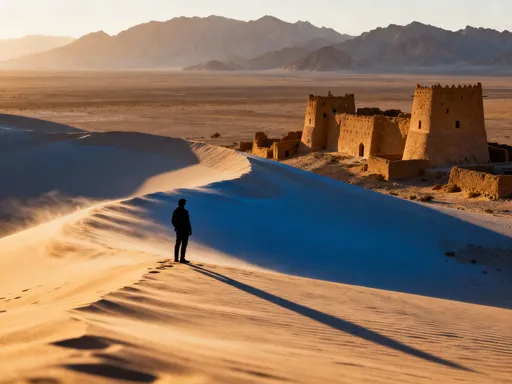
Ras Al Khaimah, frequently passed over in favor of more internationally recognized emirates, holds within its borders a cultural depth that rivals any museum or heritage site in the region. While the coastline with its pristine beaches and luxury resorts draws initial attention, the true essence of RAK unfolds far from the shore. Inland, history rises from the sands in the form of ancient settlements, watchtowers, and centuries-old forts that once defended tribal lands and trade routes. These landmarks are not preserved behind glass or reconstructed for show—they stand as enduring testaments to a civilization that valued resilience, community, and continuity.
One of the most significant historical sites is Dhayah Fort, perched atop a limestone hill in the northern reaches of the emirate. As the last stronghold of resistance during the 19th-century British campaigns in the region, it served not only as a military refuge but also as a communal shelter for entire families during times of conflict. Visitors today can climb the same stone steps once trod by Emirati elders and warriors, gazing out over the surrounding plains where date farms and falaj irrigation systems still operate using traditional methods. The views are breathtaking, but the real impact lies in the quiet realization that this land has witnessed generations of life, conflict, and perseverance.
Equally compelling is the archaeological site of Shimal, located near the coastal town of Rams. This area contains layers of human settlement stretching back over 7,000 years, making it one of the oldest continuously inhabited regions in the UAE. Excavations have revealed Neolithic tools, Bronze Age tombs, and remnants of the Umm Al Nar culture, all pointing to Ras Al Khaimah’s role as a crossroads of ancient maritime and overland trade. UNESCO recognition has helped protect these sites, but their true safeguard lies in the growing awareness among travelers who value authenticity over spectacle. When visitors walk through these spaces with knowledgeable local guides, they don’t just see ruins—they hear stories passed down through families, enriched by personal memory and national pride.
What distinguishes Ras Al Khaimah from other cultural destinations is that its heritage is not curated for tourists. There is no performative reenactment of the past; instead, history lives in the daily rhythms of life. Children play near ancient walls that their ancestors may have helped build. Elders gather in shaded courtyards, recounting tales of desert navigation and pearl diving. The emirate does not need to recreate its identity—because it has never abandoned it.
The Mountain People: Life in the Hajar Highlands
As the land rises sharply from the coastal plains into the rugged spine of the Hajar Mountains, the pace of life shifts. The air grows cooler, the silence deeper, and the sense of isolation more profound. In villages like Sha’am, Ghaleela, and Wadi Ghalilah, life follows rhythms shaped by terrain and tradition. These communities, nestled in narrow valleys and terraced slopes, have sustained themselves for centuries through agriculture, animal husbandry, and an intimate knowledge of the land. Their way of life is not preserved as folklore—it is practiced with quiet dignity every day.
Terraced farming remains central to mountain living. Using a falaj system—an ancient network of channels that divert mountain runoff—families cultivate pomegranates, limes, cucumbers, and dates. The labor is demanding, often done by hand, but the results are deeply rewarding. A single lime grown in these conditions, nurtured by mineral-rich soil and pure mountain water, carries a flavor unmatched by any imported fruit. When visitors are invited to share a meal in a local home, they are often served these very crops, still warm from the sun, accompanied by flatbread baked on a griddle and yogurt made from goat’s milk.
Hospitality in the Hajar villages is not a service—it is a cultural obligation. A traveler pausing to rest under a shaded pergola may soon find a small glass of cardamom-scented coffee placed in their hand. Conversations unfold slowly, punctuated by long silences and warm smiles. While English may be limited, gestures and shared tea bridge the gap. Children peek from doorways, elders offer blessings, and the rhythm of life continues unhurried. These moments are not staged for visitors; they are the fabric of daily existence.
What strikes many travelers is the resilience of these communities. Living without the conveniences of urban life—limited electricity, intermittent internet, and difficult access during heavy rains—has fostered a spirit of self-reliance and cooperation. Yet, there is no sense of hardship in the way these families speak of their lives. Instead, there is pride in maintaining traditions, in knowing the names of every plant, in understanding the seasons and the stars. For women in these villages, life centers around the home, the garden, and the care of children and elders. Their knowledge—of herbal remedies, food preservation, and weaving—is passed from mother to daughter, forming an unbroken thread through time.
Crafts That Speak: The Art of Emirati Heritage
Among the most moving cultural experiences in Ras Al Khaimah is the opportunity to witness—and participate in—traditional crafts that have sustained Emirati identity for generations. These are not commercialized souvenirs churned out for tourists, but living arts practiced with care and intention. In the old souq of Ras Al Khaimah City and in cultural centers like the Sheikh Mohammed bin Salem Al Qasimi Heritage Village, artisans continue to work with materials drawn from the land: palm fronds, clay, wool, and natural dyes.
One of the most iconic crafts is sadooh, the art of weaving baskets and mats from dried palm fronds. Every step—from harvesting the fronds to soaking, drying, and weaving—follows a precise method passed down through families. The resulting items are both functional and beautiful: baskets used to carry dates, mats for sitting, even intricately woven fans. When visitors try their hand at weaving under the guidance of a master artisan, they quickly learn that it is not merely a manual task, but a meditation in patience and precision. A single small basket can take hours to complete, a humbling reminder of the value of slow, deliberate work.
Pottery is another enduring tradition. In open-air workshops, potters shape clay by hand, using techniques unchanged for centuries. The clay is often sourced locally, mixed with sand to prevent cracking, and fired in wood-burning kilns. The vessels produced—bowls, water coolers, cooking pots—are designed for practical use in desert life, where storing water and cooking over fire are daily necessities. The patterns etched into the surfaces are simple but meaningful, often inspired by nature or geometric motifs rooted in Islamic art.
Supporting these artisans does more than provide income—it sustains cultural memory. As younger generations move toward urban professions, there is a real risk that these skills could fade. However, initiatives by the Ras Al Khaimah Department of Archaeology and Tourism are helping to revitalize interest through workshops, school programs, and cultural festivals. When travelers purchase a handwoven basket or a clay pot, they are not just buying an object—they are participating in preservation. Each piece carries a story, a lineage, a whisper of the past that continues to speak.
Flavors of Tradition: A Taste of Real Emirati Cuisine
To taste Emirati food is to understand Emirati values: generosity, family, and respect for the land. In Ras Al Khaimah, meals are not rushed transactions but acts of connection. The kitchen is the heart of the home, and feeding guests is a point of honor. Away from the international menus of luxury hotels, authentic Emirati cuisine offers a rich tapestry of flavors shaped by desert life, maritime trade, and seasonal availability.
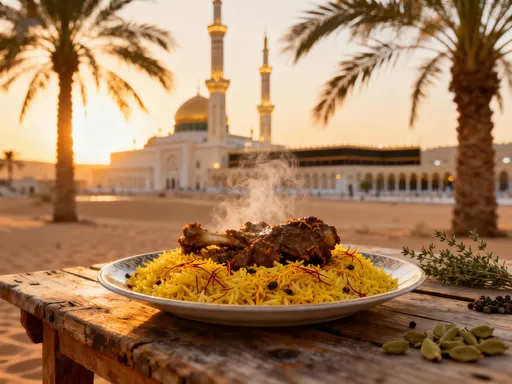
One of the most beloved dishes is machboos, a fragrant rice preparation cooked with meat—usually chicken or lamb—and spiced with dried lime, saffron, and turmeric. The dish is often served on a large communal platter, eaten with the right hand, a practice that fosters intimacy and mindfulness. Equally significant is harees, a porridge-like dish made from wheat and meat, slow-cooked for hours until it reaches a velvety consistency. Traditionally served during Ramadan and family celebrations, harees embodies comfort and nourishment.
Sweet treats like luqaimat—golden, syrup-drenched dumplings—round out the experience. Crispy on the outside and soft within, they are often served with a side of date syrup or saffron-infused honey. Dates themselves are a cornerstone of the diet, grown in abundance in RAK’s fertile wadis. A simple platter of fresh dates, served with Arabic coffee, is often the first offering to any guest.
For travelers seeking deeper engagement, cooking demonstrations and home dining experiences provide rare access to family kitchens. Women, who are typically the custodians of culinary knowledge, lead these sessions with quiet confidence, sharing not just recipes but stories—of childhood meals, wedding feasts, and the importance of feeding others. Ingredients are almost always local: fish from the Gulf, milk from goats and camels, herbs grown in backyard gardens. There is no pretense, no fusion for trend’s sake—just food made with care, served with pride.
Choosing RAK: Why This Destination Matters Now
In an era of overtourism, where iconic destinations struggle under the weight of visitor numbers, Ras Al Khaimah offers a compelling alternative. It is not trying to be Dubai or Abu Dhabi. Instead, it embraces its identity as a place of authenticity, sustainability, and cultural depth. The emirate’s tourism strategy focuses not on mass appeal, but on meaningful engagement—welcoming travelers who come not just to see, but to understand.
This approach has real benefits. Crowds are minimal, allowing for intimate experiences at historical sites and in local communities. The environmental footprint of tourism is carefully managed, with initiatives like the Jebel Jais Nature Reserve protecting fragile mountain ecosystems. New developments, such as eco-lodges and heritage-inspired resorts, are designed to blend with the landscape rather than dominate it.
Moreover, every visitor who chooses Ras Al Khaimah contributes to a larger mission: the preservation of culture. Revenue from tourism supports local artisans, farmers, and guides, ensuring that traditional livelihoods remain viable. Cultural sites receive funding for maintenance and interpretation. Most importantly, the presence of respectful travelers affirms the value of Emirati heritage in a rapidly changing world.
Choosing RAK is not merely a travel decision—it is an ethical one. It reflects a desire to move beyond surface-level tourism and engage with a living culture. In doing so, travelers become allies in the quiet but vital work of cultural continuity.
Practical Insights: How to Experience Culture Respectfully
To truly connect with Ras Al Khaimah’s culture, travelers must approach it with humility and intention. Respect is not a formality—it is the foundation of authentic exchange. Simple actions can make a significant difference. Dressing modestly, especially in villages and heritage sites, shows awareness and consideration. Women should cover shoulders and knees; men should avoid sleeveless shirts. While locals are welcoming, they also value dignity and decorum.
Photography should be approached with care. Always ask permission before taking pictures of people, particularly women and elders. In some communities, photography is discouraged during religious or family gatherings. When in doubt, a smile and a gesture of inquiry go a long way.
Learning a few phrases in Arabic—such as “marhaban” (hello), “shukran” (thank you), and “salaam alaikum” (peace be upon you)—opens doors and warms interactions. Even imperfect attempts are met with appreciation. When sharing a meal, accept offerings graciously, and try everything served. Refusing food can be seen as a slight, even if unintended.
Travelers are encouraged to book local-led tours, whether hiking in the Hajar Mountains, visiting date farms, or attending craft workshops. These experiences ensure that income stays within the community and that narratives are shared by those who live them. Timing visits for early mornings or weekdays increases the chances of genuine interactions, as families are more likely to be at home and receptive to guests.
Staying in boutique accommodations—such as desert camps with traditional-style tents or heritage hotels incorporating Emirati architecture—enhances immersion. These lodgings often partner with local suppliers and host cultural activities, from storytelling nights to stargazing sessions guided by Bedouin traditions.
The Bigger Picture: Cultural Travel as Connection
Ras Al Khaimah offers more than a vacation. It offers a reminder that culture is not a relic, but a living, breathing presence. In a world increasingly shaped by sameness—global chains, digital homogenization, fleeting trends—RAK stands as a testament to the enduring power of tradition. Its mountains, deserts, and villages are not backdrops for photographs, but homes, histories, and hearts.
Every interaction in Ras Al Khaimah—sharing tea with a mountain farmer, learning to weave from an elder artisan, tasting food prepared by a family matriarch—carries the weight of continuity. These moments do not exist for performance. They are lived. They are real. And in their authenticity, they offer travelers something rare: a sense of belonging, even if only for a short while.
Cultural travel, at its best, is not about consumption. It is about connection. It is about listening more than speaking, observing more than posing, giving respect more than taking photos. When travelers choose destinations like Ras Al Khaimah, they do not just see a new place—they grow in understanding. They become part of a quiet movement to preserve what is precious, not because it is exotic, but because it is human.
This is the deeper journey. Lost in the sands, yes—but found in the culture. And in that finding, there is transformation.