Canvas & Coast: Where Art Meets Soul in Punta del Este
Stepping into Punta del Este isn’t just about sunbathing on golden shores—it’s a dive into a vibrant cultural rhythm shaped by bold creativity. I didn’t expect to find such a dynamic art scene in this Uruguayan coastal gem. From open-air sculptures to local galleries pulsing with life, every corner tells a story. This is more than a vacation—it’s a sensory journey where ocean breezes carry the whispers of artists past and present. The city hums with a quiet artistic confidence, where the natural grandeur of the Atlantic coastline meets the expressive force of human imagination. Here, art is not confined to white-walled rooms; it spills onto sidewalks, rises from the sand, and reflects in the shifting light of the sea.
The Artistic Pulse of a Coastal Escape
Punta del Este, often celebrated for its sun-kissed beaches and cosmopolitan flair, holds a deeper identity—one rooted in artistic expression and cultural resonance. While many travelers arrive expecting luxury resorts and seaside relaxation, they often leave enchanted by something less tangible: the city’s creative soul. Over the past several decades, this coastal enclave has evolved into one of South America’s most respected cultural destinations, drawing artists, curators, and art lovers from across the continent and beyond. Its transformation has been organic, fueled by seasonal migrations of creatives and sustained by a community that values aesthetic innovation as much as natural beauty.
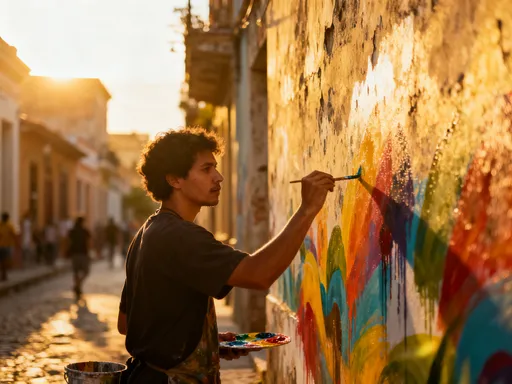
During the summer months—from December through February—the city pulses with artistic energy. Pop-up exhibitions emerge in converted villas, open-air performances animate public plazas, and galleries extend their hours to accommodate the influx of visitors. This seasonal rhythm creates a dynamic cultural calendar that blends spontaneity with intention. Unlike traditional art capitals where formality can dominate, Punta del Este maintains an accessible, welcoming atmosphere. Art here feels alive, not preserved behind glass. The urban fabric itself reflects this ethos: modernist architecture with clean lines and expansive glass facades stands in dialogue with colorful murals and sculptural installations, creating a visual language that is both contemporary and deeply rooted in place.
The interplay between environment and expression is unmistakable. Sunlight glints off stainless steel sculptures along the waterfront, while sea mist softens the edges of painted walls. Even the layout of the city encourages discovery—narrow cobblestone lanes in neighborhoods like Conventos lead to hidden courtyards where art spills from studio doors. This integration of art into daily life distinguishes Punta del Este from other resort towns. It is not a place where culture is performed for tourists; rather, it is a living ecosystem where creativity is part of the air one breathes.
Walking Through Open-Air Galleries: Sculptures by the Sea
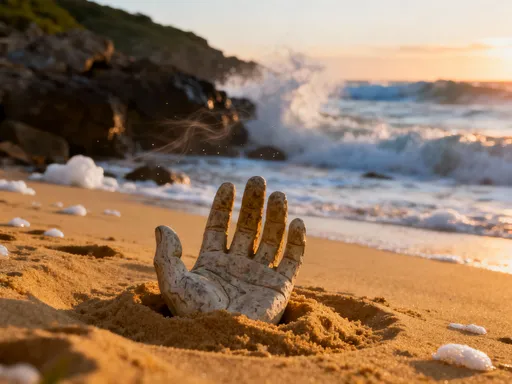
One of the most iconic encounters with art in Punta del Este occurs not inside a museum, but on the shifting sands of Playa Brava. Here, La Mano—The Hand—emerges from the beach like a surreal message from beneath the earth. Five weathered fingers stretch upward, partially submerged in the sand, their scale both imposing and vulnerable. Created by Chilean artist Mario Irarrázabal, this powerful installation has become a symbol of human fragility and connection to the natural world. Visitors often pause here, not just to photograph the piece, but to reflect. Children climb gently on the fingers, while adults stand back, absorbing its quiet melancholy. The work changes with the tides, sometimes nearly buried, other times fully exposed—an ever-evolving dialogue between art and environment.
But La Mano is only the beginning of Punta del Este’s open-air gallery. Along the coastal promenade, known as the Rambla, a series of large-scale sculptures invite contemplation. The sleek curves of Pablo Atchugarry’s marble pieces contrast with the rugged texture of the shoreline, their polished surfaces reflecting the ever-changing light of the Atlantic. Further inland, in Parque de los Patos and the entrance to the peninsula, abstract metal forms rise from grassy lawns, their shapes echoing the movement of waves or the flight of seabirds. These installations are not isolated objects; they are integrated into the landscape, designed to be experienced in motion, as one walks, jogs, or cycles along the shore.
The experience of encountering art in such settings is profoundly different from viewing it indoors. There is no climate control, no hushed silence—only the wind, the sound of waves, and the occasional cry of gulls. These elements become part of the artwork itself. A sculpture may gleam under midday sun, cast long shadows at dusk, or disappear into fog, each transformation offering a new interpretation. This fluidity invites a deeper kind of engagement, one that relies not just on sight, but on presence. For families and solo travelers alike, these open-air encounters make art approachable, even playful, without diminishing its emotional weight.
Inside the Galleries: Discovering Local and International Talent
Beyond the shoreline, Punta del Este offers a network of galleries and cultural institutions that provide a more curated experience of artistic expression. Among the most respected is the Museo de Arte Americano, housed in a modern, light-filled building that blends seamlessly with its surroundings. The museum’s collection focuses on 20th-century Latin American art, with works by renowned figures such as Joaquín Torres García, whose geometric abstractions helped define modernism in the region. Rotating exhibitions often spotlight emerging artists from Uruguay, Argentina, and Brazil, creating a platform for dialogue across borders.
What sets these indoor spaces apart is their balance of intimacy and rigor. Unlike vast metropolitan museums that can feel overwhelming, the galleries in Punta del Este are designed for slow, thoughtful viewing. Natural light filters through skylights, illuminating canvases without glare. Wall texts are concise, offering context without over-explanation, allowing visitors to form their own interpretations. The atmosphere is one of quiet intensity—a stark contrast to the lively chatter of the seaside cafes just steps away. This duality is part of the city’s charm: one can sip a café con leche on the Rambla, then step into a gallery where time seems to slow.
Smaller, independent galleries in the Conventos and La Barra neighborhoods offer an even more personal experience. Many are run by artists or collectors who welcome conversation. These spaces often feature experimental works—mixed media installations, textile art, or conceptual photography—that challenge traditional forms. Visiting hours may be irregular, but that only adds to their authenticity. For the curious traveler, a simple “¿Puedo pasar?” is often enough to be invited in. Some galleries host artist talks or small receptions during peak season, providing rare opportunities to hear directly from creators about their process and inspiration.
For those planning a visit, it’s advisable to check gallery schedules in advance, as many operate on seasonal hours. Most are closed on Mondays and may reduce hours in the off-season. Photography is generally permitted, though flash is discouraged. The key to meaningful engagement is presence—taking time to observe, reflect, and, when possible, speak with those who steward these spaces. In a world of fast travel and fleeting experiences, these quiet moments of connection can be the most lasting souvenirs.
Art Markets and Creative Encounters Off the Beaten Path
While established galleries showcase polished works, the heart of Punta del Este’s artistic community beats strongest in its weekly art markets. Every weekend, particularly from late November through March, local artisans gather in plazas and open lots to display their creations. The Feria de Artesanías in downtown Punta is one of the most vibrant, stretching several blocks with rows of handcrafted jewelry, ceramics, textiles, and original paintings. Unlike mass-produced souvenirs, these items carry the imprint of individual hands—each brushstroke, stitch, or carve a testament to skill and passion.
What makes these markets special is the direct connection between creator and visitor. A painter may stand beside her easel, explaining the inspiration behind a seascape rendered in bold blues and ochres. A potter might demonstrate how clay is shaped using traditional techniques passed down through generations. These interactions transform shopping into a form of cultural exchange. Children are often drawn to stalls offering hands-on activities—painting small tiles or molding clay—making the experience especially rewarding for families.
The sensory richness of these markets is unforgettable. The scent of linseed oil and fresh paint mingles with the aroma of grilled choripán from nearby food carts. Acoustic guitar music drifts from a corner, where a local musician performs softly between sets. Colors explode across tables—vivid textiles from the Andes, intricate beadwork, and canvases alive with abstract expression. It’s not uncommon to see a piece evolve in real time, as an artist adds final touches based on a viewer’s reaction.
Timing is key to fully experiencing these gatherings. Saturdays and Sundays offer the fullest selection, with some markets beginning as early as 9 a.m. and lasting until late afternoon. Arriving mid-morning allows time to browse without crowds, while also catching live demonstrations or performances. For travelers seeking authenticity, these markets offer a rare opportunity to support local economies directly. Purchasing a small painting or handmade piece is more than a memento—it’s a gesture of appreciation that sustains the creative ecosystem of the region.
How the Seasons Shape the Creative Rhythm
Punta del Este undergoes a remarkable transformation between its peak summer season and the quieter months of autumn and winter. From December to February, the city swells with energy. Population multiplies, restaurants buzz with conversation, and cultural events unfold almost daily. This is when the artistic pulse is most visible: galleries host opening nights, sculpture parks see their highest foot traffic, and impromptu performances fill public spaces. The atmosphere is festive, electric, and deeply social—an ideal time for travelers who thrive on activity and connection.
Yet there is equal beauty in the off-season. Between April and September, when the summer crowds have dispersed, Punta del Este reveals a different character. The pace slows. Streets empty, and the sea takes on a more introspective mood. This is when artists return to their studios, often working in solitude, refining new pieces or preparing for the next season’s exhibitions. Galleries may operate on reduced hours, but visits become more intimate. One might have an entire exhibition space to oneself, able to linger before a single painting without distraction.
For contemplative travelers, this quieter period offers a rare depth of experience. Without the buzz of festivals or markets, the focus shifts to reflection. The relationship between art and landscape becomes more pronounced—how light falls across a cliff at 3 p.m., how the wind shapes dunes, how silence amplifies the sound of waves. Some local studios open by appointment, allowing visitors to witness the creative process firsthand. These encounters are unscripted and deeply personal, often leading to conversations that linger long after the trip ends.
Each season, therefore, offers a distinct artistic rhythm. Summer invites participation; winter invites observation. One is not better than the other, but rather complementary. A traveler seeking inspiration might choose the off-season, while a family looking for lively cultural engagement may prefer the summer months. The city’s ability to hold both extremes—vibrancy and stillness—speaks to its maturity as a cultural destination.
Blending Nature and Aesthetics: Landscape as Inspiration
The artistic richness of Punta del Este cannot be separated from its geography. The meeting of the Río de la Plata and the Atlantic Ocean creates a unique coastal environment—dramatic cliffs, wide beaches, and ever-changing light. This landscape has long served as a muse. Painters are drawn to the way sunlight fractures on water in the late afternoon, casting golden ribbons across the waves. Photographers capture the stark contrast between smooth stone and foaming surf. Architects design homes with sweeping curves that echo the shape of the bay, using glass and concrete to frame views like living paintings.
Many artists speak of the “Atlantic light”—a quality of illumination that is both sharp and soft, capable of revealing detail while enveloping scenes in mood. It changes by the hour, even by the minute, demanding constant attention from those who seek to capture it. This impermanence mirrors the transient nature of human expression itself. Just as the tide reshapes the shore, so too does experience shape the artist’s vision. The horizon here does not feel like an end, but an invitation—an open space where imagination can expand.
This deep connection between environment and creativity is evident in recurring themes: hands emerging from sand, waves rendered in mosaic, wind sculpted into metal forms. These are not mere decorations; they are responses to place. They ask viewers to consider their own relationship to nature, to time, to memory. For the traveler, walking through this landscape becomes a form of aesthetic education. One learns to see not just with the eyes, but with the senses—feeling the salt on the skin, hearing the rhythm of the surf, noticing how shadows lengthen across a plaza as the day wanes.
In this way, Punta del Este teaches a quiet lesson: that beauty is not passive. It is shaped by attention, by care, by the courage to create. The city does not merely display art; it embodies a philosophy of living where creativity and nature are in constant conversation.
Planning Your Cultural Journey: Practical Tips for Art-Loving Travelers
For those planning a visit centered on art and culture, a few practical considerations can enhance the experience. A stay of four to five days allows enough time to explore both the well-known landmarks and the quieter, off-the-beaten-path venues. The summer months offer the fullest calendar of events, but advance booking is essential—flights and accommodations fill quickly. Travelers seeking a more relaxed pace may consider late November or early March, when temperatures remain pleasant but crowds are thinner.
Transportation within the city is straightforward. The center is walkable, especially along the Rambla, where seaside paths connect major attractions. Bicycles can be rented for a more active exploration, and local buses serve outlying neighborhoods. Taxis and ride-sharing services are reliable and reasonably priced. For visits to galleries in Conventos or La Barra, a short drive or bike ride offers scenic views of the coastline.
When visiting galleries, modest dress is appropriate, and large bags may need to be checked. Many institutions offer guided tours in Spanish and English, often included with admission. For art markets, cash in local currency (Uruguayan pesos) is preferred, though some vendors accept cards. It’s respectful to ask before photographing artists at work, and purchasing a piece—no matter how small—supports the local creative economy in a meaningful way.
Balance is key. While art may be the focus, it should be woven into a broader experience of place. A morning spent in a gallery can be followed by a seaside lunch, a walk through a botanical garden, or an afternoon coffee at a quiet café overlooking the harbor. These moments of pause allow the mind to absorb what has been seen, creating space for reflection.
Ultimately, a cultural journey to Punta del Este is not about checking items off a list. It is about opening oneself to the quiet magic of a place where art and nature coexist in harmony. It is about feeling the sand beneath your feet while gazing at a sculpture that reaches toward the sky, and understanding—just for a moment—that beauty is not something to be consumed, but to be lived. In this coastal haven, every glance, every step, every breath becomes part of the canvas.