Driving Iceland’s Secret Coast: Akureyri’s Best-Kept Shopping Gems
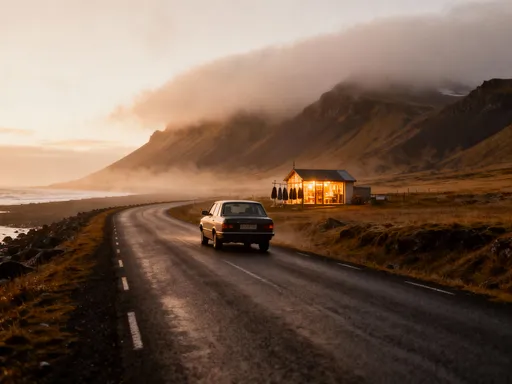
You know that thrill when you stumble upon a tiny shop in an unexpected place and find something truly special? That’s exactly what happened when I hit the road toward Akureyri, Iceland’s northern charm hub. Far from crowded tourist spots, this journey revealed local crafts, cozy boutiques, and authentic souvenirs you won’t find anywhere else. Driving gave me the freedom to explore hidden corners—and yes, shopping here is way more than just souvenirs. It’s about connection, discovery, and carrying home a piece of a place that feels untouched by time. In Akureyri, every storefront tells a story, and every purchase supports a local dream. This is shopping with soul, made possible by the open road and a spirit of adventure.
Why Akureyri? Uncovering the Allure of Iceland’s North
Akureyri, often called the “Capital of North Iceland,” is nestled at the head of Eyjafjörður, the country’s longest fjord. Located just 350 kilometers northeast of Reykjavík, it serves as a cultural and economic anchor for the northern region. With a population of around 19,000, it offers the comforts of a small city while maintaining a deeply rooted connection to Icelandic traditions, nature, and craftsmanship. Unlike the bustling capital, Akureyri moves at a gentler pace, where life unfolds in harmony with the seasons and the surrounding mountains stand as silent guardians of daily rhythms.
What sets Akureyri apart is not just its scenic beauty—though the snow-capped peaks and sweeping fjord views are undeniably breathtaking—but its vibrant local culture. The town is home to artists, designers, and artisans who draw inspiration from the raw landscapes and centuries-old customs. Here, wool is spun with care, ceramics echo volcanic textures, and knitwear patterns carry stories passed down through generations. For travelers seeking authenticity, Akureyri offers a refreshing alternative to the more commercialized experiences found in heavily touristed areas.
Self-driving transforms how visitors engage with this region. While Reykjavík and the Golden Circle attract the majority of international tourists, the north remains relatively undiscovered, especially beyond peak summer months. Renting a car allows travelers to explore at their own pace, detouring down gravel roads to family-run craft studios or stopping at seasonal markets that only locals typically know. This autonomy fosters deeper connections—with the landscape, with small business owners, and with the quiet confidence of navigating a land shaped by fire and ice.
Traveling during the off-season—between September and May—enhances this sense of discovery. Fewer crowds mean longer conversations with shopkeepers, unhurried browsing in cozy boutiques, and the chance to witness daily life as it truly unfolds. Winter visits offer the added magic of the Northern Lights dancing above the fjord, while spring brings the return of sunlight and the first signs of renewal in the valley. Whether you come for the scenery, the culture, or the simple joy of finding something one-of-a-kind, Akureyri rewards those who venture beyond the well-trodden path.
Hitting the Road: Planning Your Drive to and Around Akureyri
Reaching Akureyri by car is both feasible and rewarding, with well-maintained roads connecting it to Iceland’s Ring Road (Route 1), the primary highway that circles the island. Most travelers begin their journey from Reykjavík, a drive of approximately four to five hours depending on weather and road conditions. The route takes you through diverse landscapes—rolling farmland, volcanic plains, and dramatic mountain passes—offering a preview of Iceland’s geological wonders. Along the way, small towns like Borgarnes and Blönduós provide rest stops, fuel stations, and opportunities to stretch your legs with a hot drink or a bite of local fare.
For those arriving via Akureyri Airport, car rentals are available on-site, making it easy to begin your exploration immediately. Once behind the wheel, the key to a smooth journey lies in preparation. Iceland’s weather is famously unpredictable, particularly in winter months when snow, ice, and high winds can affect road safety. Checking the Icelandic Road and Coastal Administration’s website (road.is) before departure is essential for up-to-date information on road conditions, closures, and weather alerts. This resource is trusted by locals and travelers alike and should be consulted daily during your trip.
Vehicle choice matters. While compact cars may suffice during summer on paved roads, a 4x4 is strongly recommended for winter travel or if you plan to explore unpaved mountain roads (F-roads), though these are generally unnecessary for visiting Akureyri and its immediate surroundings. Even on Route 1, sudden changes in visibility or traction can occur, so having all-wheel drive and winter tires provides peace of mind. Many rental agencies offer GPS systems or offline maps, which are invaluable in areas with limited cell service.
Navigating rural Iceland is straightforward with proper tools. Google Maps works well when downloaded for offline use, and most major routes are clearly signed. Towns like Akureyri have intuitive layouts, with the main shopping street, Hafnarstræti, located within easy walking distance of parking areas. When venturing outside the city center, small side roads may be narrow or unpaved, but they are typically well-marked. Always yield to oncoming traffic on single-lane bridges, and be mindful of livestock that may wander onto roads in farming areas. Driving here is not just about transportation—it’s part of the experience, offering uninterrupted views of glaciers, waterfalls, and the ever-changing sky.
Beyond the Souvenir Stand: What Makes Akureyri’s Shopping Unique
Shopping in Akureyri is a far cry from the generic souvenir shops found in more tourist-heavy zones. Here, retail is deeply intertwined with local identity, sustainability, and craftsmanship. Rather than mass-produced trinkets, visitors encounter handmade goods created with intention and care. The emphasis is on quality over quantity, with many items designed to last for years—or even generations. This shift from consumption to connection defines the Akureyri shopping experience, where every purchase supports a real person, not a factory overseas.
One of the most celebrated traditions is wool craftsmanship. Icelandic sheep produce some of the finest wool in the world, known for its warmth, durability, and water-resistant properties. The iconic Lopapeysa, a hand-knitted sweater with a distinctive circular yoke pattern, is a symbol of national pride and practicality. In Akureyri, several boutiques and cooperatives sell authentic Lopapeysas made from 100% Icelandic wool. These garments are not only functional in the country’s harsh climate but also carry cultural significance, with patterns often reflecting regional heritage or family stories.
Ceramics and glassware are equally notable, with many local artists drawing inspiration from Iceland’s volcanic landscape. Bowls, vases, and drinking horns may feature textures mimicking cooled lava or glacial striations, while colors echo the grays, blues, and earthy tones of the natural environment. Some studios incorporate actual volcanic ash or sand into their glazes, creating pieces that are as much geological artifacts as they are functional art. These items make meaningful gifts or keepsakes, embodying the raw beauty of the island in tangible form.
Sustainability is a guiding principle in Akureyri’s retail scene. Many shops prioritize locally sourced materials, minimal packaging, and ethical production methods. You’ll find boutiques that specialize in upcycled textiles, handmade soaps using natural ingredients, and wooden homeware crafted from reclaimed driftwood. This commitment to environmental responsibility resonates with travelers who want their purchases to reflect their values. Unlike commercial outlets that prioritize profit margins, Akureyri’s stores often operate as passion projects, where the maker is present, eager to share the story behind each product.
On the Map: Where to Shop in Akureyri by Car
Akureyri’s downtown core is compact and walkable, making it easy to explore on foot once parked. Several public parking areas are available, including designated lots near the harbor and along the main shopping streets. Many visitors choose to park once and spend a few hours browsing, but having a car allows for greater flexibility—especially when visiting destinations just outside the city center. This blend of convenience and exploration is one of the region’s greatest advantages.
Hafnarstræti, the main shopping street, is lined with a mix of independent boutiques and established local brands. Stores like Ást and Iðunn specialize in high-quality woolens, offering everything from baby booties to full-length coats. These shops often double as galleries, with displays highlighting the dyeing and knitting processes. Other favorites include Nordic Store Akureyri, which curates a selection of Scandinavian design objects, from minimalist kitchenware to hand-thrown ceramics. Here, function meets beauty in a way that feels both modern and timeless.
For those interested in food-based souvenirs, Akureyri does not disappoint. Local bakeries sell traditional rye bread, often baked using geothermal heat, and packaged for travel. Specialty food shops offer smoked lamb, lingonberry preserves, and herbal teas made from wild Arctic thyme. These edible mementos allow travelers to recreate a taste of Iceland long after returning home. Some stores also carry small-batch skincare products made with geothermal spring water or glacial clay, blending natural resources with modern formulations.
Just a short drive from the city center, seasonal markets and pop-up shops offer additional opportunities for discovery. During summer months, the Akureyri Farmers Market operates weekly, featuring fresh produce, handmade jams, and artisanal cheeses from nearby farms. In winter, holiday markets transform public squares into festive hubs, with wooden stalls selling candles, ornaments, and warm drinks. These events are especially charming when visited in the late afternoon, as string lights glow against the dark sky and the scent of mulled wine fills the air. Having a car means you can arrive early to avoid crowds or stay late without worrying about transportation.
Hidden in Plain Sight: Local Favorites Only Drivers Discover
Some of the most memorable shopping experiences in Akureyri happen not in the city center, but just beyond it—places accessible only by car and often overlooked by guided tours. These hidden gems include family-run studios, rural craft cooperatives, and workshops tucked into quiet valleys. Without a vehicle, they remain invisible to most visitors. With one, they become part of a richer, more personal journey.
One such destination is a small weaving studio located about 15 kilometers east of Akureyri, near the village of Sauðárkrókur. Run by a mother-daughter duo, the studio produces handwoven scarves and blankets using natural dyes derived from lichen, birch bark, and volcanic soil. Visitors are welcome by appointment, and the experience includes a brief tour of the dye garden and a demonstration of traditional techniques. Purchases are made directly from the artisans, with proceeds supporting their livelihood and preserving an endangered craft.
Another favorite is a ceramics workshop nestled in the hills above the fjord. Reached via a gravel road, the studio is part of a larger creative collective that includes a glassblower and a woodcarver. Each artist works in a separate studio, but they share a common gallery space where pieces are displayed and sold. The setting is serene, with panoramic views of the water and mountains. Many customers report that the journey itself enhances the value of the purchase—knowing exactly where and how an object was made deepens its meaning.
These encounters are not just about buying things; they are about human connection. Shop owners often invite guests for coffee, share stories about their work, or offer recommendations for nearby trails or scenic lookouts. These moments of warmth and hospitality linger long after the trip ends. They remind us that travel is not just about seeing new places, but about meeting people who live differently, who create with their hands, and who welcome strangers with openness and generosity.
Smart Shopping: When, What, and How Much to Buy
To make the most of your shopping experience in Akureyri, timing and awareness are key. While the town is generally quiet compared to Reykjavík, cruise ship arrivals during summer months can bring sudden surges in foot traffic. Ships typically dock in the early morning, so arriving at popular shops between 9 and 11 a.m. means navigating larger crowds. For a more relaxed visit, aim for mid-afternoon or later in the week, when most cruise passengers have moved on to other excursions.
Understanding price ranges helps set realistic expectations. A handmade Lopapeysa sweater typically costs between $180 and $300, depending on size, complexity, and whether it was knitted by hand or machine. Smaller wool accessories like hats or mittens range from $40 to $80. Hand-thrown ceramic mugs or bowls usually fall between $35 and $70, while larger art pieces or vases may reach $150 or more. These prices reflect the labor, materials, and cultural value embedded in each item—not just the cost of production.
For international travelers, the VAT refund system offers a way to recoup part of these expenses. Iceland allows non-residents to claim back 14% of the value-added tax on eligible purchases over 6,000 ISK (approximately $45). To qualify, shoppers must request a tax-free form at the time of purchase and have it stamped at customs upon departure. Refunds can be processed at the airport or credited to a card, depending on the retailer’s affiliation with global refund networks like Global Blue or Planet. Keeping receipts organized and allowing extra time at the airport for processing ensures a smooth experience.
When deciding what to buy, consider both practicality and emotional resonance. A wool sweater will serve you for years in cold climates, while a small ceramic ornament may bring daily joy on a shelf at home. Some travelers choose one meaningful piece—a hand-carved wooden spoon, a linen table runner, or a framed watercolor of the fjord—as a centerpiece of their Icelandic memories. Others collect smaller items to share with loved ones, each carrying a note about where and why it was chosen. Whatever your approach, the act of selecting with intention enhances the value of the object long after the trip ends.
Driving Home with More Than Just Bags: The Value of Authentic Experience
As the engine hums and the road unwinds behind you, the true reward of this journey becomes clear. It’s not just the bags of woolens, ceramics, and treats piled in the backseat—it’s the knowledge that each item has a story, a maker, a place. Driving through Akureyri’s quiet streets and hidden lanes, stopping at studios where hands shape beauty from raw materials, creates a deeper kind of memory. These moments stay with you not because they were perfect, but because they were real.
Supporting small businesses in Akureyri does more than bring joy to the buyer—it sustains local economies, preserves cultural traditions, and encourages sustainable tourism. When you choose a hand-knitted scarf over a factory-made replica, you vote for craftsmanship over convenience. When you visit a rural studio instead of a downtown chain, you help keep rural communities vibrant and connected. These choices, small as they may seem, ripple outward, contributing to a travel culture that values people as much as places.
Akureyri is not merely a stopover on a longer itinerary. It is a destination with its own rhythm, its own voice, its own quiet magic. And while guidebooks may highlight its botanical gardens or its proximity to whale-watching tours, the soul of the town lives in its shops, studios, and market stalls. It lives in the smile of a weaver who explains her craft, in the weight of a mug shaped by volcanic inspiration, in the warmth of a sweater spun from the fleece of highland sheep.
So the next time you plan a trip to Iceland, consider veering north. Take the wheel, follow the fjord, and let curiosity be your compass. Let the journey unfold not in checklist fashion, but in moments of surprise and connection. Because the best souvenirs aren’t just things you buy—they’re experiences you carry within you. And in Akureyri, every mile driven brings you closer to both.